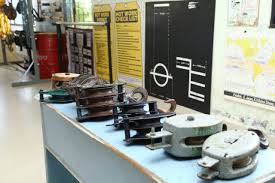




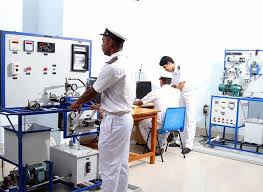
Ship Construction Lab
Design and Planning: Naval architects create detailed blueprints using CAD, considering stability, strength, and hydrodynamics.
Fabrication and Sub-assembly: Steel plates and sections are cut, bent, and welded into smaller 2D and 3D sub-assemblies (panels, frames).
Block Assembly: Sub-assemblies are welded together into large, prefabricated 3D sections (blocks).
Advanced Outfitting: Components like pipes, cables, and machinery are installed within the blocks before they are assembled, reducing in-hull labor.
Block Erection: The prefabricated blocks are transported to a dry dock or berth, where they are aligned and welded to form the final ship structure.
Launch: The ship is launched into the water, traditionally down a slipway, though modern, large vessels are often floated out of a dry dock.
Outfitting and Sea Trials: Final machinery, electrical systems, and accommodation are installed, followed by trials to test performance and safety
Fabrication and Sub-assembly: Steel plates and sections are cut, bent, and welded into smaller 2D and 3D sub-assemblies (panels, frames).
Block Assembly: Sub-assemblies are welded together into large, prefabricated 3D sections (blocks).
Advanced Outfitting: Components like pipes, cables, and machinery are installed within the blocks before they are assembled, reducing in-hull labor.
Block Erection: The prefabricated blocks are transported to a dry dock or berth, where they are aligned and welded to form the final ship structure.
Launch: The ship is launched into the water, traditionally down a slipway, though modern, large vessels are often floated out of a dry dock.
Outfitting and Sea Trials: Final machinery, electrical systems, and accommodation are installed, followed by trials to test performance and safety
LABORATORY INFRASTRUCTURE